
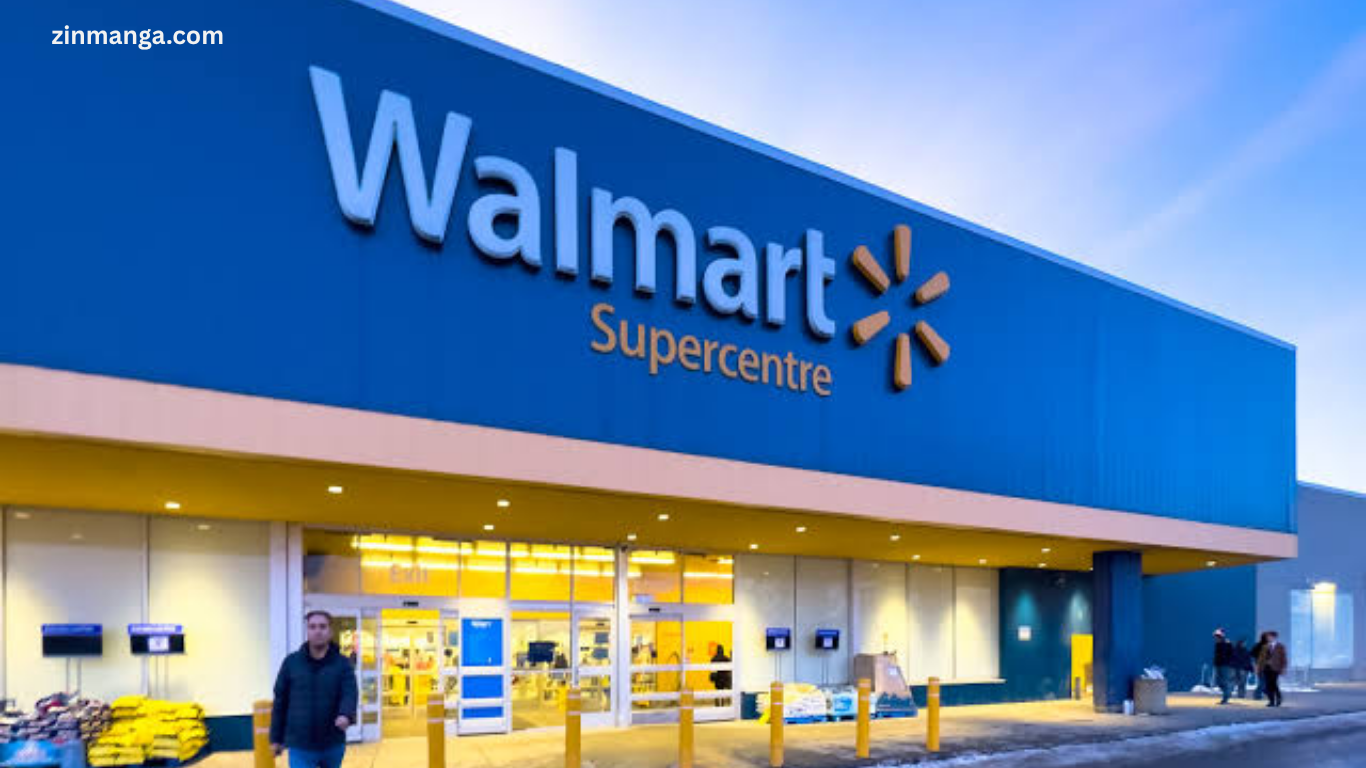
Walmart remains one of the most influential retailers in the United States, serving millions of customers who depend on its stores and online services for everyday purchases. As consumer spending habits change, the company must continue adjusting its investment strategy to meet customer needs, manage operating costs, and remain competitive in a challenging retail market.
American households make spending decisions based on several factors, including food prices, housing expenses, borrowing costs, employment conditions, and confidence in the economy. When household budgets become tighter, shoppers may look for lower prices, choose store brands, compare promotions, or reduce spending on nonessential products. These changes can influence how retailers manage their stores, develop digital services, and allocate money to future growth.
Changing Consumer Spending Habits in the United States
Consumer spending is a major driver of the U.S. economy, and changes in household purchasing decisions can have a significant impact on retailers. When families feel financially comfortable, they may be more willing to purchase discretionary products, upgrade household items, or spend money on convenience.
However, when essential expenses take up a larger share of income, households may become more careful about nonessential purchases. They might postpone buying new electronics, reduce restaurant visits, or search for discounts before making larger purchases.
These decisions do not affect every household in the same way. Higher-income consumers may continue spending on premium products, while families with tighter budgets may prioritize groceries, cleaning supplies, personal care products, and other necessities.
Retailers must understand these differences to make effective decisions about prices, inventory, promotions, and product selection. A strategy that works during a period of strong consumer confidence may be less effective when customers become more price-sensitive.
Walmart’s broad product range gives it an opportunity to serve shoppers with different spending priorities. Customers can purchase essential goods alongside discretionary products, allowing the company to compete for a larger share of household shopping budgets.
The challenge is to recognize changes in demand early enough to adjust operations without creating unnecessary costs or excess inventory.
Why Walmart Focuses on Value and Affordability
Affordable pricing is central to Walmart’s retail identity. The company has built much of its business around offering a wide selection of products at competitive prices, making value an important factor in its relationship with customers.
When consumers become more careful about spending, low prices can become even more attractive. Shoppers may compare prices across retailers, switch to less expensive brands, or look for promotions that help them manage monthly expenses.
Walmart can respond through pricing decisions, private-label products, bulk purchasing options, and promotional offers. These approaches may help customers control spending while giving the retailer opportunities to attract and retain shoppers.
However, affordability does not mean that every customer always chooses the cheapest product. Some shoppers also consider product quality, convenience, availability, delivery speed, and the reliability of a retailer’s service.
Walmart must therefore balance price competitiveness with the overall shopping experience. If customers cannot find the products they need or experience frequent stock shortages, low prices alone may not be enough to maintain loyalty.
The company’s investment choices can support this goal by improving inventory management, reducing waste, strengthening supplier relationships, and making stores more efficient.
A continued focus on value can help Walmart respond to cautious consumer spending, although the results will depend on market conditions, costs, and competition.
Investment in Stores and Retail Infrastructure
Physical stores remain an important part of Walmart’s business. They allow customers to purchase groceries and household products, collect online orders, return items, and access services that complement the company’s digital operations.
Investment in store infrastructure can involve renovations, better equipment, improved layouts, energy-efficient systems, and updated technology. These improvements may help create a more convenient shopping experience while supporting day-to-day efficiency.
For example, clearer product displays and better store organization can make it easier for customers to find what they need. Improved refrigeration equipment may support grocery operations, while more efficient lighting and building systems can help manage energy consumption.
Store investments can also support employees by improving work areas and providing tools that make inventory handling and customer service easier.
However, large retail projects require careful financial planning. Construction expenses, equipment costs, maintenance, and labor requirements can affect the return on investment. Walmart must determine which locations need improvements most urgently and which projects are likely to deliver lasting benefits.
Consumer spending trends may influence these decisions. If shoppers increasingly prioritize affordable groceries and household necessities, the company may focus on ensuring that stores have the right products, reliable stock levels, and efficient checkout options.
The goal is not simply to make stores look newer. It is to create retail locations that serve customers effectively while supporting the company’s broader financial objectives.
E-Commerce Investment and Digital Shopping
Online shopping has changed how many Americans purchase everyday products. Customers can compare prices, browse large product selections, place orders from home, and choose delivery or pickup options.
Walmart has invested in its digital operations to compete with online retailers and provide customers with more convenient ways to shop. These investments may include website improvements, mobile applications, online product discovery, order processing, and systems that connect digital orders with physical stores.
Convenience is particularly important for customers managing busy schedules. Online ordering can reduce the time required for routine purchases, while pickup services allow shoppers to collect orders without spending as much time inside a store.
Digital services can also help Walmart reach customers who prefer to compare products online before making a purchase. A smooth online experience may encourage shoppers to complete orders and return for future purchases.
However, e-commerce creates operational challenges. Delivery costs, order preparation, returns, and customer service can affect profitability. Retailers must manage these expenses carefully while maintaining reliable service.
Walmart’s physical store network can support its digital strategy by providing locations for order fulfillment and pickup. This combination can help connect online convenience with the reach of an established retail network.
As shopping habits continue to change, investments in digital services may remain an important part of Walmart’s effort to protect its competitive position.
Technology and Artificial Intelligence in Retail
Technology is becoming increasingly important in retail operations. Large companies such as Walmart manage complex supply chains, thousands of products, extensive store networks, and large volumes of customer transactions.
Digital systems can help retailers forecast demand, track inventory, identify operational problems, and coordinate deliveries. Better information can allow managers to make decisions based on changing sales patterns rather than relying entirely on historical assumptions.
Artificial intelligence may also support selected retail activities. Depending on how systems are implemented, AI can assist with demand forecasting, product recommendations, customer service, and the analysis of operational information.
For example, improved forecasting may help a retailer estimate which products are likely to sell more quickly in a particular location. This can support better inventory planning and reduce the risk of empty shelves or excessive stock.
Technology may also help employees locate products, organize tasks, and respond to customer questions. However, successful implementation requires investment in software, equipment, training, and data security.
Retailers must also consider the reliability of automated systems and the potential consequences of inaccurate recommendations. Human oversight remains important when technology supports significant operational or customer decisions.
For Walmart, the value of technology depends on whether it improves efficiency, supports customer service, or creates measurable business benefits. Investment should focus on solving practical problems rather than adopting new tools simply because they are available.
Supply Chain Efficiency and Inventory Management
A retailer’s ability to keep products available at competitive prices depends heavily on its supply chain. Walmart works with suppliers, distribution facilities, transportation providers, and stores to move products from manufacturers to customers.
Changes in consumer spending can make inventory management more complicated. Demand for some products may increase when households search for value, while sales of more expensive discretionary goods may weaken.
If a retailer orders too much inventory, it may face higher storage costs, markdowns, and unsold products. If it orders too little, customers may encounter empty shelves and purchase items from competitors.
Investment in supply chain systems can help businesses manage these risks. Better demand forecasting, warehouse technology, transportation planning, and real-time inventory information may improve product availability and reduce unnecessary expenses.
Walmart’s scale gives it significant purchasing and distribution capabilities, but large operations also require careful coordination. Small forecasting errors can create substantial challenges when they affect many stores and product categories.
The company must also respond to unexpected disruptions, including transportation delays, severe weather, supplier difficulties, and changes in production costs.
A more efficient supply chain can support Walmart’s affordability strategy by helping control operating expenses. If products move through the system more efficiently, the retailer may have greater flexibility when managing prices and promotions.
Private-Label Products and Customer Budgets
Private-label products are goods sold under a retailer’s own brands rather than those of independent manufacturers. These products can play an important role when consumers want to reduce grocery and household spending.
Walmart offers private-label options across several product categories. Such products may give customers alternatives to national brands, depending on availability, quality, and price.
For shoppers, the appeal often comes from finding products that meet everyday needs at a manageable cost. Families may compare store-brand food, cleaning products, personal care items, and household supplies with more expensive alternatives.
Private-label products can also matter to retailers because they provide greater control over product selection and brand positioning. However, developing successful store brands requires attention to quality, customer trust, supplier relationships, and consistent availability.
A low price will not necessarily produce repeat purchases if customers are dissatisfied with the product. Retailers must ensure that their private-label offerings provide value rather than relying only on price differences.
Changing consumer spending may encourage Walmart to pay close attention to these product categories. When customers become more price-conscious, affordable alternatives can help the retailer meet their needs and compete with other stores.
At the same time, customer preferences remain diverse. Some shoppers continue to prefer established brands because of familiarity, specific features, or personal taste.
A balanced product strategy gives customers options and allows them to decide how to manage their budgets.
Competition Across the Retail Industry
Walmart operates in a highly competitive retail environment. Its competitors include large supermarket chains, discount retailers, warehouse clubs, department stores, and online marketplaces.
Each competitor uses different strategies to attract shoppers. Some emphasize low prices, others focus on product selection or premium experiences, and many compete through digital convenience and loyalty programs.
As consumers become more selective about spending, competition for essential purchases can become especially important. Customers may compare grocery prices, household promotions, delivery fees, and membership benefits before deciding where to shop.
Walmart’s size and broad product range can help it serve customers looking for convenience and value in one place. However, the company must continue investing to ensure that its services remain competitive.
Online retailers also create pressure by allowing shoppers to compare products quickly and receive orders at home. Physical retailers must demonstrate that their stores provide advantages such as immediate product access, convenient pickup, and accessible locations.
Competitive investment decisions may involve pricing systems, distribution facilities, technology, employee training, and improvements to the shopping experience.
Walmart cannot rely entirely on its established market position. It must continue evaluating what customers value and how competing retailers respond to changing demand.
Labor Costs and Employee Investment
Employees play a major role in retail operations. Store workers stock shelves, assist customers, prepare online orders, manage checkout areas, and maintain safe and organized facilities.
Investment in employees can include training, improved workplace technology, career development, and competitive compensation. These measures may help businesses recruit capable workers and improve service quality.
Labor costs are also a significant consideration for retailers. Wages, benefits, scheduling, and staffing requirements can influence operating expenses, particularly when demand changes from one season or location to another.
Businesses must balance financial discipline with the need to maintain sufficient staffing. Reducing employee hours too aggressively may affect product availability, customer service, and workplace conditions.
Technology can help organize certain tasks, but it does not remove the need for people in many retail activities. Employees often handle situations that require judgment, direct communication, and practical problem-solving.
Walmart’s investment decisions must therefore consider how workers and technology can support each other. Better tools may reduce unnecessary tasks, while training can help employees use new systems effectively.
A retail strategy that combines operational efficiency with appropriate employee support may be better positioned to deliver consistent service.
Economic Uncertainty and Investment Decisions
Economic conditions can influence how retailers plan for future growth. Changes in inflation, interest rates, employment, and household confidence can affect both customer spending and business costs.
When economic uncertainty increases, some consumers may postpone larger purchases and concentrate on essential goods. Businesses may respond by reviewing inventory levels, adjusting promotions, and prioritizing projects that offer clear operational benefits.
Retailers must also consider the cost of financing investments. Higher borrowing costs can make certain expansion projects more expensive, while lower financing costs may support additional spending when other conditions are favorable.
Investment decisions usually involve balancing immediate financial needs with long-term opportunities. A company may need to spend money today to improve distribution, strengthen technology, or upgrade stores, even when the full benefits will take time to appear.
Walmart’s size and broad retail operations may provide some flexibility, but it remains exposed to changing demand, supplier costs, and competitive pressures.
Careful planning can help the company avoid reacting too strongly to temporary changes. Retailers need to distinguish between short-term shifts in purchasing behavior and longer-term changes that may reshape the market.
The ability to adjust investments without losing sight of long-term goals is an important part of retail management.
Sustainability and Energy Efficiency
Environmental considerations can also influence retail investment. Large store networks and distribution operations consume significant amounts of energy and require transportation, packaging, refrigeration, and waste management.
Investments in energy-efficient equipment, improved building systems, and better transportation planning may help retailers reduce resource use and manage operating expenses.
For example, efficient refrigeration and lighting can reduce electricity consumption in stores. Better route planning may help limit unnecessary vehicle travel, while improved inventory management can reduce some forms of waste.
Sustainability initiatives require planning and investment, and their financial benefits may vary. Some projects involve substantial upfront costs, while savings develop gradually over time.
Retailers must also consider supplier practices, product packaging, and the environmental impact of moving goods through extensive distribution networks.
Consumer interest in sustainability varies by household and product category. Some customers actively consider environmental factors when shopping, while others focus primarily on price, convenience, and product quality.
Walmart must therefore evaluate sustainability alongside other business priorities. Projects that improve efficiency while supporting environmental objectives may provide value for both the company and its customers.
What Walmart’s Strategy Means for Consumers
Walmart’s investment decisions can affect how customers shop, which products are available, and how easily they can access services. Improvements in digital ordering, inventory systems, and store operations may make everyday purchases more convenient.
A stronger focus on affordability can also help shoppers find options that fit different budgets. Private-label products, competitive pricing, and promotions may give households additional ways to manage spending.
However, retail investments do not guarantee lower prices in every category. Supplier costs, transportation expenses, labor requirements, and market competition can all influence what customers pay.
The customer experience also depends on how well a company implements its plans. A new digital feature may be less useful if orders are frequently delayed, while a renovated store may not meet expectations if important products are unavailable.
Consumers are likely to continue comparing retailers based on price, product quality, convenience, and service reliability. Walmart’s ability to respond to these expectations will influence how effectively it competes for household spending.
For shoppers, the broader trend highlights the importance of understanding personal budgets and comparing available options. For Walmart, it reinforces the need to connect investment decisions with the everyday needs of customers.
Frequently Asked Questions
Why is Walmart adjusting its investment strategy?
Walmart must respond to changing consumer spending habits, competition, operating costs, and customer expectations. Investment in stores, technology, digital services, and supply chains can help the company remain competitive.
How do changes in consumer spending affect Walmart?
When shoppers become more price-conscious, they may focus on essential goods, compare prices, and choose less expensive alternatives. Walmart must adjust product availability, pricing, and promotions to respond to these changes.
Why is affordability important to Walmart?
Affordable pricing is central to Walmart’s business model. Competitive prices and private-label products can help customers manage their budgets while allowing the retailer to compete for everyday purchases.
How does technology support Walmart’s business strategy?
Technology can help Walmart forecast demand, manage inventory, coordinate deliveries, improve online shopping, and support store operations. These systems may improve efficiency when implemented effectively.
Why is e-commerce important for Walmart?
E-commerce gives customers convenient ways to browse products, place orders, and choose delivery or pickup. It also allows Walmart to connect its digital services with its physical store network.
How does economic uncertainty influence Walmart’s investments?
Economic uncertainty can affect customer demand, supplier costs, and financing expenses. Walmart must balance immediate operating needs with long-term projects that may improve efficiency and future growth.
What could Walmart’s investment strategy mean for shoppers?
Investments may improve product availability, shopping convenience, and access to affordable options. The final benefits will depend on how effectively Walmart implements its plans and responds to competition.
Conclusion
Walmart’s investment strategy is closely linked to changing consumer spending trends in the United States. As households balance essential expenses with discretionary purchases, the retailer must respond through pricing, product selection, store improvements, digital services, and supply chain management.
Investments in technology and inventory systems can help improve efficiency, while store upgrades and employee development may support a more reliable shopping experience. Private-label products and competitive pricing can also help Walmart serve customers who are looking for greater value.
At the same time, the company faces challenges involving operating costs, competition, economic uncertainty, and the changing expectations of shoppers. Investment decisions must deliver practical benefits without creating unnecessary financial pressure.
