
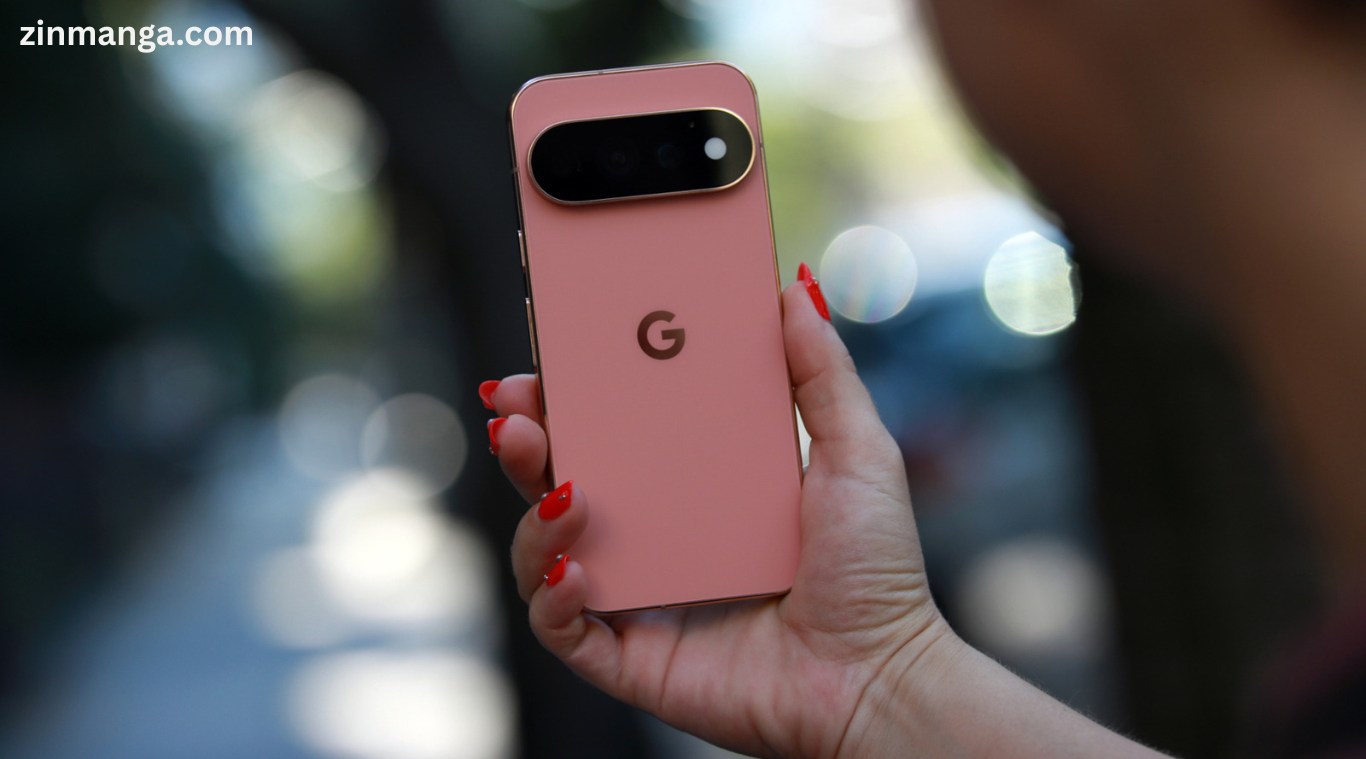
The Google Pixel 11 continues Google’s focus on combining smartphone hardware with advanced software and artificial intelligence. The Pixel series has become especially known for computational photography, clean Android software, and AI-powered features that aim to make everyday smartphone tasks easier.
For buyers considering a premium Android phone, the Pixel 11 offers several areas worth examining. Camera quality, AI capabilities, display performance, battery life, processing power, and software experience all contribute to how useful the device can be in everyday situations.
Design and Build Quality
The Pixel 11 maintains Google’s recognizable Pixel design while introducing refinements aimed at creating a premium smartphone experience. The overall construction is designed to balance durability, comfort, and modern styling.
The physical design matters because users interact with their phones throughout the day. Weight, shape, button placement, and how easily the phone can be held can all influence the everyday experience.
Google also continues to focus on durability, giving the phone a design intended to handle normal daily use.
Display Experience
The display is an important part of the Pixel 11 experience. Users rely on the screen for browsing, watching videos, editing photographs, gaming, reading, and communicating.
A high refresh rate can make scrolling and animations appear smoother, while strong brightness helps improve visibility in outdoor environments.
Color accuracy and contrast are also important for photography. Pixel users who spend time editing or reviewing photographs can benefit from a display that presents images clearly and consistently.
Camera System
Camera performance remains one of the major reasons people consider Pixel smartphones. Google has traditionally relied heavily on computational photography, using software processing to improve the images captured by its camera hardware.
The Pixel 11 continues this approach by combining camera hardware with image-processing technology. The result is intended to provide detailed photographs with balanced exposure and natural-looking results.
The camera experience is also designed to remain relatively simple. Users can point the phone at a subject, take a photograph, and allow Google’s processing system to handle many technical adjustments automatically.
Daylight Photography
Good lighting provides an opportunity for smartphone cameras to demonstrate their ability to capture detail and color.
The Pixel 11 is designed to produce photographs with strong detail while maintaining balanced exposure across different areas of a scene. This can be useful when photographing landscapes, buildings, people, food, and everyday moments.
Google’s image processing can help preserve details in highlights and shadows, although results will naturally vary depending on the scene and lighting conditions.
Low-Light Photography
Low-light photography is one of the areas where computational photography can make a significant difference.
When available light decreases, smartphone cameras need to deal with noise, motion, and reduced detail. Software processing can combine information from multiple exposures and apply algorithms to improve the final image.
The Pixel 11 uses Google’s approach to computational photography to produce clearer images in darker environments. The effectiveness of the result depends on factors such as available light, movement, and the selected camera mode.
Portrait Photography
Portrait photography has become a standard feature on premium smartphones. The goal is to separate the subject from the background and create a depth-of-field effect similar to what users might expect from dedicated cameras.
The Pixel 11 uses software processing to identify subjects and create a more natural separation between foreground and background.
Portrait photography can be particularly useful for people, pets, and close-up subjects where the background is less important than the main subject.
Zoom and Detail
Zoom performance is another important consideration for smartphone photography. Digital and computational techniques can help maintain image quality when users photograph subjects from a distance.
The practical usefulness of zoom depends on the camera hardware and software processing. Good stabilization is also important because even small hand movements become more noticeable at higher magnification.
Users who frequently photograph concerts, sports, wildlife, or distant objects may pay particular attention to this area.
Video Recording
The Pixel 11 is also designed to provide a capable video recording experience. Modern smartphone users increasingly rely on their phones to create videos for social media, travel, personal memories, and professional projects.
Video quality depends on stabilization, autofocus, exposure, resolution, and audio recording. Software processing can also play an important role in maintaining consistent quality as lighting conditions change.
A reliable video system can make the phone useful for casual creators who do not want to carry a separate camera.
Front Camera
The front camera is important for selfies, video calls, social media, and online meetings.
The Pixel 11 uses Google’s image-processing approach to improve facial detail and exposure. This can help when taking selfies in different lighting conditions or participating in video calls.
For users who regularly create social content, front-camera performance can be an important part of the overall smartphone experience.
AI Features
Artificial intelligence is one of the main areas of focus for modern Pixel smartphones. Google integrates AI into different parts of the Android experience, including photography, communication, organization, search, and productivity.
The Pixel 11 is designed to make these features more accessible through the phone’s software.
AI can assist with tasks that would otherwise require multiple steps. For example, software can help edit photographs, summarize information, organize content, or provide assistance with certain writing and communication tasks.
AI-Powered Photography
AI and computational photography are closely connected in the Pixel experience. Google’s software can analyze photographs and automatically make adjustments designed to improve the final result.
AI-powered editing tools can also provide options for changing or improving photographs after they have been captured.
These features can be particularly useful for casual photographers who want better results without learning advanced editing software.
AI for Everyday Productivity
AI features can also be useful outside the camera. Smartphone users increasingly rely on AI for writing, summarizing information, organizing tasks, and finding information.
The usefulness of these features depends on how accurately they perform and how naturally they fit into existing workflows.
For people who already use Google’s ecosystem of applications, AI features can potentially work alongside familiar services and tools.
Performance
The Pixel 11 is designed to provide responsive performance for everyday applications and more demanding tasks.
Fast application launches, smooth multitasking, photo processing, gaming, and video editing all require capable hardware.
The processor also plays an important role in AI features because many smartphone functions require significant computational resources. Efficient processing can help provide advanced features without creating excessive delays.
Gaming Experience
Mobile gaming continues to become more demanding, with modern games requiring powerful graphics processing and sustained performance.
The Pixel 11 is designed to handle a range of games while maintaining responsive controls and detailed graphics.
Performance can vary based on game settings, session length, device temperature, and software optimization. Users who play demanding games for extended periods should consider thermal performance as well as peak processing power.
Battery Life
Battery life is a major consideration for any smartphone. The Pixel 11 is designed to provide enough power for everyday activities such as messaging, browsing, photography, streaming, and calls.
Actual battery life depends on how the phone is used. Gaming, navigation, high screen brightness, camera recording, and mobile data can consume more power than basic communication.
Software optimization can also influence battery performance by managing background processes and power consumption.
Charging
Charging convenience is another important part of the smartphone experience. Fast charging can reduce the amount of time users need to keep the device connected to power.
Wireless charging can provide additional convenience for users who prefer a cable-free charging setup.
The best charging experience ultimately depends on how each person uses their phone throughout the day.
Software Experience
The Pixel 11 provides Google’s version of Android, offering a relatively clean software experience with direct integration of Google’s applications and services.
Pixel devices are also closely connected to Google’s Android development, making software updates and new platform features an important part of the experience.
The software interface is designed to remain straightforward while still providing customization options and useful tools.
Software Updates and Security
Long-term software support is an important consideration for premium smartphones. Regular updates can introduce new features, improve performance, and address security issues.
Pixel phones are positioned as Google’s direct Android devices, which makes software updates an important part of their appeal.
Security features are also important because smartphones contain personal messages, photographs, account information, and other sensitive data.
Connectivity
The Pixel 11 is designed for modern connectivity, supporting activities such as video streaming, cloud services, online gaming, video calls, and file transfers.
Actual network performance can vary depending on the carrier, location, network congestion, and available infrastructure.
Wireless connectivity also plays an important role for users who rely on Bluetooth accessories, Wi-Fi networks, and connected devices.
Storage and Everyday Use
Storage requirements vary depending on how a smartphone is used. People who take large numbers of photographs and videos or install many games and applications may need more storage.
Cloud services can help reduce the amount of local storage required, but users who frequently work with large files may still prefer higher-capacity storage.
The Pixel 11 is designed to support everyday tasks without requiring users to constantly manage their phone’s storage.
Privacy and Security
Privacy has become an increasingly important consideration as smartphones integrate more AI features.
Users should understand what information applications and AI tools can access and how data is processed. Google’s privacy and security controls provide options for managing permissions and protecting personal information.
Keeping applications and the operating system updated is also an important part of maintaining device security.
Who Should Consider the Pixel 11?
The Pixel 11 is designed for users who value smartphone photography, Google’s Android experience, AI-powered tools, and regular software improvements.
It may appeal particularly to people who take many photographs, use Google services frequently, or want AI features integrated directly into their daily smartphone activities.
Users who prioritize gaming performance, battery capacity, or other specific hardware features should compare those areas carefully with competing flagship devices.
Things Buyers Should Consider
Before purchasing the Pixel 11, buyers should consider how they use their smartphones. Camera quality may be the biggest priority for some users, while others may care more about battery life, gaming, display quality, storage, or software.
Price is also an important consideration. A premium smartphone should provide features that are useful enough to justify its cost over the expected ownership period.
Buyers should also consider accessories, storage requirements, charging habits, and compatibility with other devices they already own.
Frequently Asked Questions
Is the Google Pixel 11 good for photography?
The Pixel 11 is designed with a strong focus on computational photography, combining camera hardware with Google’s image-processing technology to improve photographs across different conditions.
What are the main AI features of the Pixel 11?
AI features can assist with photography, editing, writing, organization, communication, and other everyday tasks. Available capabilities depend on the software and supported services.
Is the Pixel 11 good for gaming?
The Pixel 11 is designed to handle modern mobile games, although performance can vary depending on the game, graphics settings, temperature, and length of the gaming session.
How is the Pixel 11 battery life?
Battery life depends on usage. Activities such as gaming, video recording, navigation, and high display brightness generally consume more power than lighter tasks.
Who should buy the Pixel 11?
The Pixel 11 is aimed at users who want Google’s Android experience, advanced smartphone photography, integrated AI tools, and a premium overall device experience.
Conclusion
The Google Pixel 11 continues Google’s strategy of combining smartphone hardware with advanced software and artificial intelligence. Its camera system is designed to make high-quality photography accessible, while AI features extend beyond photography into productivity, communication, and everyday tasks.
Performance, battery life, display quality, software, security, and connectivity also contribute to the overall experience. The phone is designed to serve users who want a premium Android device without separating AI and software features from the rest of the smartphone experience.
