
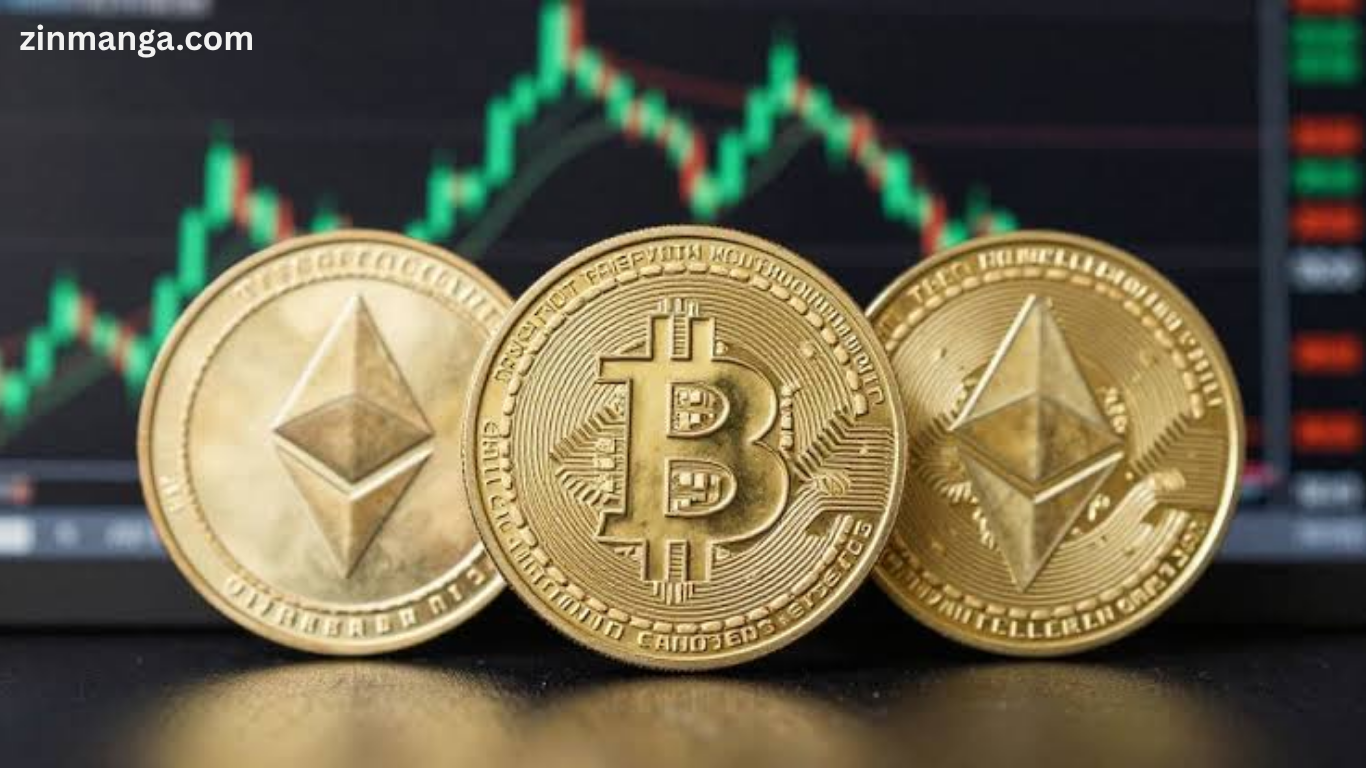
Bitcoin remains one of the most closely watched assets in the cryptocurrency market. Its price can change quickly, often responding to shifts in investor sentiment, economic conditions, market liquidity, regulation, and activity across the wider digital asset industry.
For crypto investors, these movements make Bitcoin more than just another investment. It often acts as an important indicator of overall market direction. When Bitcoin moves strongly, other cryptocurrencies can also experience significant changes in trading activity and investor sentiment.
Bitcoin Remains the Market’s Main Focus
Bitcoin continues to hold a central position in the cryptocurrency market.
Although thousands of digital assets are available, Bitcoin is widely followed by investors, traders, financial institutions, and analysts.
Its market performance can influence how investors view the broader crypto sector. A strong Bitcoin move can increase interest in other digital assets, while a sharp decline can create caution across the market.
This connection makes Bitcoin’s price action important even for investors who hold other cryptocurrencies.
Price Volatility Creates Opportunities and Risks
Bitcoin is known for significant price volatility.
The value of the cryptocurrency can move substantially over relatively short periods. This can create opportunities for traders, but it can also increase the risk of losses.
Short-term price movements may be influenced by news, large transactions, market sentiment, or changes in trading volume.
Long-term investors may view these movements differently, focusing more on broader market cycles rather than individual daily changes.
Investor Sentiment Can Change Quickly
Market sentiment plays an important role in Bitcoin trading.
When investors become optimistic, buying activity can increase and push prices higher. When confidence weakens, selling pressure can increase.
Sentiment can be influenced by economic data, regulatory developments, institutional activity, technological developments, and broader financial market conditions.
Social media discussions can also affect sentiment, although online opinions do not always reflect the underlying market situation.
Trading Volume Provides Important Information
Trading volume is another factor investors watch closely.
High trading volume can indicate strong participation in a price movement. When Bitcoin rises or falls while trading activity increases, investors may pay closer attention to whether the move has broader market support.
Low-volume price movements can sometimes be less convincing because fewer market participants are involved.
Volume should not be viewed in isolation, but it can provide additional context when analyzing price behavior.
Institutional Interest Remains Important
Institutional participation has become an increasingly important part of the Bitcoin market.
Financial companies, investment managers, and other large market participants can influence demand when they increase or reduce their exposure to digital assets.
Institutional activity can also affect how Bitcoin is viewed by traditional investors.
Greater participation from established financial institutions may contribute to broader acceptance, while changes in institutional demand can also influence market sentiment.
Bitcoin and Traditional Markets
Bitcoin does not operate completely separately from traditional financial markets.
Investors may compare its performance with stocks, bonds, commodities, currencies, and other assets when making investment decisions.
During periods of economic uncertainty, investors may change their approach to risk across multiple asset classes.
This can affect cryptocurrency markets as well.
The relationship between Bitcoin and traditional markets can change over time, so investors often monitor both cryptocurrency-specific developments and broader economic conditions.
Interest Rates Can Influence Crypto Markets
Central bank interest-rate decisions can have an impact on investor behavior.
When interest rates are high, some investors may prefer assets that provide more predictable returns. When expectations for lower rates increase, riskier assets can sometimes attract greater attention.
Bitcoin and other cryptocurrencies can be affected by these changes in risk appetite.
Investors therefore often monitor inflation, employment data, economic growth, and central bank decisions when assessing the potential direction of the crypto market.
Regulation Remains a Major Factor
Government regulation continues to influence the cryptocurrency industry.
New rules can affect exchanges, financial institutions, digital asset products, taxation, and investor access.
Positive regulatory developments may improve confidence, while uncertainty or restrictive policies can create additional pressure.
Because regulatory decisions can have broad consequences, Bitcoin investors often follow policy developments in major financial markets.
Exchange Activity Can Affect Market Conditions
Cryptocurrency exchanges play an important role in Bitcoin trading.
Changes in buying and selling activity on major exchanges can influence short-term price movements.
Investors may also pay attention to the amount of Bitcoin held on exchanges.
Large changes in exchange balances can sometimes provide clues about how market participants are positioning themselves, although these indicators do not guarantee future price movements.
Long-Term Holders Watch Different Signals
Not every Bitcoin investor is focused on short-term price changes.
Long-term holders may pay greater attention to adoption, network development, institutional interest, regulation, and the overall growth of the cryptocurrency ecosystem.
Short-term traders may focus more heavily on charts, price levels, volume, and market momentum.
These different approaches can produce very different reactions to the same market movement.
Technical Analysis Remains Popular
Technical analysis is widely used by cryptocurrency traders.
It involves studying price charts, trading volume, historical patterns, support and resistance levels, and other market indicators.
Traders may use technical analysis to identify potential entry or exit points.
However, technical indicators cannot predict the future with certainty. Unexpected news or sudden changes in market sentiment can quickly invalidate a previous pattern.
Support and Resistance Levels Attract Attention
Support and resistance are common concepts in technical analysis.
A support area is generally viewed as a price level where buying interest may increase, while resistance can represent an area where selling pressure may become stronger.
Traders watch these levels because a decisive move through them can sometimes signal a change in market momentum.
However, these levels should be treated as analytical tools rather than guaranteed price boundaries.
Bitcoin Halving Effects Remain Part of the Discussion
Bitcoin’s supply structure is another reason investors closely follow its market behavior.
Bitcoin has a limited maximum supply, and the network periodically reduces the reward paid to miners for producing new coins.
These events, commonly known as halvings, reduce the rate at which new Bitcoin enters circulation.
Investors often study previous market cycles around these events while considering how supply changes could affect future demand and pricing.
Past performance, however, does not guarantee similar results in future cycles.
Bitcoin’s Limited Supply Attracts Investors
Bitcoin’s fixed maximum supply is one of its defining characteristics.
Supporters argue that limited supply can make Bitcoin attractive as a scarce digital asset.
However, scarcity alone does not determine price.
Demand remains essential. If demand increases while available supply is limited, prices can rise. If demand weakens, the price can decline despite the limited supply.
This balance between supply and demand remains central to Bitcoin’s market behavior.
Global Economic Conditions Matter
Economic conditions around the world can influence cryptocurrency markets.
Inflation, economic growth, currency movements, employment trends, and geopolitical uncertainty can all affect investor confidence.
When financial markets become uncertain, investors may reduce exposure to assets they consider risky.
At other times, uncertainty about traditional currencies or financial systems can increase interest in alternative assets.
The effect of global events on Bitcoin is therefore not always predictable.
Bitcoin Can Influence Other Cryptocurrencies
Bitcoin often affects the direction of the broader cryptocurrency market.
When Bitcoin experiences a strong rally, other digital assets may also attract increased attention.
When Bitcoin falls sharply, other cryptocurrencies can experience even larger percentage declines.
This relationship means investors often monitor Bitcoin even when their portfolios are concentrated in other digital assets.
The strength of this relationship can change depending on market conditions.
Crypto Investors Are Watching Market Liquidity
Liquidity is another important factor.
A liquid market generally allows assets to be bought and sold more easily without causing major price changes.
When liquidity decreases, large orders can have a greater impact on prices.
Changes in liquidity can therefore contribute to sudden movements in Bitcoin and other cryptocurrencies.
Investors may consider trading volume, market depth, exchange activity, and broader financial conditions when assessing liquidity.
News Can Move the Market Quickly
Bitcoin can respond rapidly to major news.
Regulatory announcements, institutional developments, security incidents, technological changes, and macroeconomic news can all affect market sentiment.
Because the cryptocurrency market operates continuously, significant developments can influence prices at any time.
This constant availability can create both opportunities and challenges for investors.
Emotional Trading Can Increase Risk
Bitcoin’s volatility can encourage emotional decisions.
A sudden price increase may create fear of missing out, while a sharp decline can cause panic selling.
Investors who make decisions based entirely on emotions may buy after large increases or sell after significant declines without considering their broader strategy.
Maintaining a clear plan can help reduce the influence of short-term emotions.
Risk Management Is Important
Because Bitcoin can experience large price swings, risk management is an important consideration.
Investors may think about how much of their portfolio they are comfortable exposing to cryptocurrency.
They may also consider diversification, investment time horizons, and the possibility of losing part or all of their investment.
There is no strategy that completely removes market risk.
The Role of Crypto Exchanges
Crypto exchanges provide the infrastructure through which many investors buy and sell Bitcoin.
Exchange reliability, security, liquidity, fees, and available trading features can influence the overall experience.
Investors should understand how their chosen platform handles security, withdrawals, account protection, and other important functions.
Keeping accounts secure is particularly important because cryptocurrency transactions can be difficult or impossible to reverse.
Bitcoin Adoption Continues to Matter
Long-term Bitcoin investors often watch adoption trends.
Greater use of Bitcoin by individuals, businesses, financial institutions, and payment services could potentially increase demand.
At the same time, adoption can face challenges involving regulation, transaction costs, usability, and competition from other technologies.
The future growth of Bitcoin therefore depends on more than price movements alone.
The Role of Bitcoin in Investment Portfolios
Some investors view Bitcoin as a speculative asset, while others consider it a potential long-term store of value or alternative investment.
Its role in a portfolio depends on the investor’s objectives, risk tolerance, and financial situation.
Because Bitcoin can be highly volatile, it may not be suitable for every investor.
Understanding the risks is important before making investment decisions.
What Investors Should Watch Next
Bitcoin investors are likely to continue watching several major areas.
Market sentiment, trading volume, institutional activity, regulation, economic data, interest-rate expectations, and developments across the cryptocurrency industry can all influence future market conditions.
No single indicator can accurately predict Bitcoin’s next move.
A broader approach can provide a better understanding of why prices are changing and whether a movement appears connected to a major underlying development.
The Future of Bitcoin Price Trends
Bitcoin’s future price direction remains uncertain.
The cryptocurrency market can change quickly, and unexpected events can influence prices in ways that are difficult to anticipate.
Long-term demand, institutional participation, regulation, technological development, global economic conditions, and investor confidence will likely remain important factors.
As the market matures, Bitcoin may become increasingly connected to the broader financial system while continuing to maintain characteristics that distinguish it from traditional assets.
Frequently Asked Questions
Why do Bitcoin prices change so quickly?
Bitcoin prices can change rapidly because the market operates continuously and is influenced by investor sentiment, trading activity, news, liquidity, regulation, and broader economic conditions.
Does Bitcoin affect other cryptocurrencies?
Yes. Bitcoin often influences overall cryptocurrency market sentiment, and large movements in Bitcoin can contribute to significant changes in other digital assets.
What factors should Bitcoin investors watch?
Investors commonly monitor trading volume, market sentiment, institutional activity, regulation, interest rates, economic conditions, liquidity, and long-term adoption.
Can technical analysis predict Bitcoin’s price?
Technical analysis can help investors study historical price patterns and market behavior, but it cannot reliably predict future Bitcoin prices.
Is Bitcoin a low-risk investment?
No. Bitcoin can be highly volatile, and its price can rise or fall significantly. Investors should understand the risks and consider their own financial circumstances before making investment decisions.
Conclusion
Bitcoin price movements continue to keep crypto investors focused on the market. Its central position within the cryptocurrency sector means that changes in Bitcoin’s price can influence sentiment, trading activity, and the performance of other digital assets.
Investors are watching a wide range of factors, including market sentiment, trading volume, institutional activity, regulation, interest rates, economic conditions, and Bitcoin’s supply structure.
At the same time, Bitcoin’s volatility means that short-term price movements can be difficult to predict. Technical analysis and market indicators can provide useful information, but they cannot guarantee future results.
