
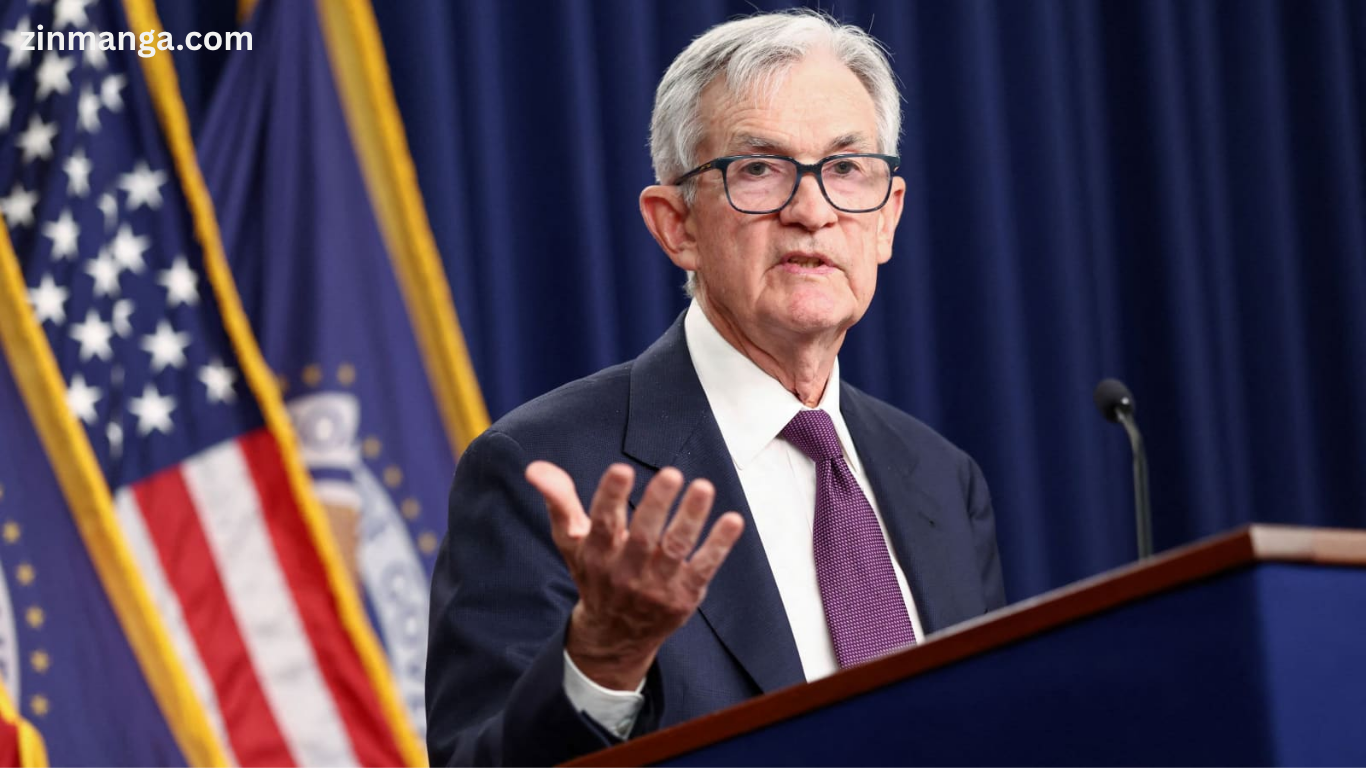
Federal Reserve interest rate decisions continue to play an important role in the cost of borrowing for households, businesses, and financial institutions. When the Federal Reserve changes its policy rate, the effects can gradually move through the financial system and influence the rates consumers pay on different types of loans.
Borrowing costs can affect everyday financial decisions, from buying a home or car to using credit cards or taking out a business loan. Even when the Federal Reserve keeps rates unchanged, its decisions and economic outlook can influence expectations about where borrowing costs may go next.
How Federal Reserve Rates Affect Borrowing
The Federal Reserve uses interest rates as one of its main tools for influencing economic conditions. Its policy decisions can affect the cost at which financial institutions obtain short-term funding and can influence broader financial markets.
When interest rates rise, borrowing generally becomes more expensive. Higher rates can discourage some consumers and businesses from taking on new debt.
When rates move lower, borrowing can become more affordable. Lower financing costs may encourage households to make large purchases and businesses to invest in expansion.
The effect is not always immediate, however. Different types of loans respond to changes in interest rates at different speeds.
Mortgage Rates Remain Closely Watched
Homebuyers often pay close attention to Federal Reserve decisions because changes in financial markets can influence mortgage rates.
Mortgage rates are not directly determined by the Federal Reserve’s policy rate. They are influenced by broader market conditions, including expectations for inflation, economic growth, bond yields, and investor demand.
Still, Federal Reserve decisions can affect the environment in which mortgage rates move.
Higher borrowing costs can make monthly mortgage payments more expensive, potentially reducing how much a buyer can comfortably afford. Lower rates can improve affordability for some buyers by reducing financing costs.
Credit Card Borrowing Can Become More Expensive
Credit card interest rates are another area where consumers can feel the effects of monetary policy.
Many credit card rates are variable, meaning they can change as underlying market rates change.
When borrowing costs rise, consumers carrying balances from month to month may face higher interest charges. This can make it more difficult to reduce outstanding debt.
For this reason, changes in interest rates can encourage some consumers to pay down balances more aggressively or reduce new credit card spending.
Auto Loans Are Also Affected
Car buyers can also be influenced by changing borrowing costs.
The total cost of financing a vehicle depends on factors such as the loan rate, loan term, down payment, vehicle price, and the borrower’s credit history.
Higher interest rates can increase monthly payments even when the vehicle price remains unchanged.
This can cause consumers to reconsider the type of vehicle they purchase, increase their down payment, or delay a purchase until financing conditions become more favorable.
Businesses Face Changing Financing Costs
Businesses depend on borrowing for many different purposes.
Companies may use loans or credit facilities to purchase equipment, expand operations, manage inventory, hire employees, or invest in new locations.
When interest rates rise, financing these activities can become more expensive.
Some companies may respond by delaying expansion plans or focusing more heavily on cash flow. Other businesses may continue investing if they expect sufficient returns from their projects.
Large companies with access to bond markets can also be affected by changes in market yields and investor expectations.
Small Businesses Can Feel the Pressure
Smaller companies may be particularly sensitive to borrowing costs because they often have fewer financing options than large corporations.
A small business may depend on bank loans, credit lines, or other forms of financing to manage daily operations.
Higher rates can increase the cost of maintaining existing variable-rate debt and make new financing more expensive.
This can influence decisions about hiring, purchasing equipment, opening new locations, or expanding inventory.
Savings Rates Can Move in the Opposite Direction
Federal Reserve policy does not only affect borrowers.
Savers can also be affected by changes in interest rates.
When rates are higher, banks and other financial institutions may offer more attractive returns on certain savings products. This can benefit people who keep money in interest-bearing accounts.
When rates decline, returns on some savings products may also decrease.
This creates a different impact for households depending on whether they are primarily borrowing money, saving money, or doing both.
Inflation Remains an Important Factor
Inflation is one of the major economic conditions considered by the Federal Reserve.
When prices rise too quickly, higher interest rates can be used to reduce demand and put downward pressure on inflation.
The process can take time because changes in monetary policy move through the economy gradually.
The Federal Reserve must therefore consider both current economic conditions and expectations about future inflation when making policy decisions.
Employment Data Also Matters
The condition of the labor market is another important part of Federal Reserve decision-making.
Strong employment can support household incomes and consumer spending. However, if demand remains extremely strong while inflation is elevated, policymakers may face pressure to maintain restrictive monetary conditions.
A weaker labor market can create different concerns.
The Federal Reserve generally has a dual mandate related to maximum employment and stable prices, making employment conditions an important part of its broader policy assessment.
Economic Growth Can Influence Rate Decisions
Economic growth also plays a role in monetary policy.
When the economy is expanding strongly, businesses and consumers may increase spending and investment.
If strong demand contributes to persistent inflation, policymakers may consider maintaining higher interest rates.
If economic growth slows significantly, the focus can shift toward supporting economic activity while continuing to monitor inflation.
This balance makes Federal Reserve decisions closely watched by financial markets.
Why Federal Reserve Announcements Matter
Financial markets often react not only to the actual interest rate decision but also to the language used by Federal Reserve officials.
Investors study statements, economic projections, and comments from policymakers for clues about future policy.
For example, if markets believe rates may remain higher for longer, borrowing costs and bond yields may respond even without an immediate rate change.
Similarly, expectations of future rate reductions can influence financial markets before an actual policy change takes place.
Expectations Can Move Markets Early
One of the most important features of modern financial markets is that investors constantly look ahead.
Markets often react to expectations before policymakers officially announce a decision.
Economic reports on inflation, employment, consumer spending, and economic growth can therefore influence borrowing costs even before a Federal Reserve meeting occurs.
This means consumers may notice changes in some market-based interest rates without any new Federal Reserve rate announcement.
Fixed-Rate and Variable-Rate Loans Differ
The effect of changing interest rates depends partly on the type of loan a borrower has.
Fixed-rate loans generally keep the same interest rate throughout the agreed period, although refinancing can create an opportunity to obtain a different rate later.
Variable-rate loans can change as underlying rates move.
This distinction is important because borrowers with variable-rate debt may experience changes in their payments more quickly than people with fixed-rate loans.
Existing Borrowers May Have Different Experiences
Not every borrower feels a Federal Reserve rate change in the same way.
Someone with a fixed-rate mortgage may see little immediate change in monthly payments.
A borrower with a variable-rate credit product may experience a more direct effect.
People with strong credit profiles may also receive different loan offers from those with weaker credit histories.
As a result, the overall direction of Federal Reserve policy does not translate into one identical borrowing rate for everyone.
Credit Scores Still Matter
Even when broader interest rates change, personal creditworthiness remains important.
Lenders generally consider factors such as credit history, income, existing debt, and other financial information when determining loan terms.
A borrower with a strong financial profile may have access to better rates than someone considered a higher lending risk.
This means consumers cannot rely solely on Federal Reserve policy when estimating the cost of a future loan.
Housing Decisions Can Change
Higher borrowing costs can influence the housing market in several ways.
Some buyers may delay purchases because monthly payments become less affordable.
Others may choose smaller homes or make larger down payments.
Existing homeowners may also reconsider refinancing decisions depending on available rates.
At the same time, housing supply, home prices, local economic conditions, and household incomes can have major effects on the market.
Interest rates are therefore only one part of the housing affordability picture.
Consumer Spending Can Be Affected
Borrowing costs can influence consumer behavior beyond major purchases.
When loans and credit become more expensive, households may reduce discretionary spending to manage higher financial obligations.
Some consumers may focus more heavily on essential expenses, savings, and debt repayment.
When borrowing becomes cheaper, households may feel more comfortable making larger purchases.
These changes in consumer behavior can eventually influence businesses and the broader economy.
Financial Planning Becomes More Important
Changing interest rates can make financial planning more complicated.
Consumers may need to consider whether to borrow now, wait for potentially different rates, or use more savings to reduce the amount they need to finance.
People carrying significant debt may also review their repayment strategies.
Businesses face similar decisions when determining whether to borrow for investment or preserve cash.
There is no single approach that works for everyone because financial circumstances vary widely.
The Federal Reserve Does Not Control Every Loan Rate
It is important to understand that the Federal Reserve does not directly set every interest rate consumers encounter.
Market conditions, lender competition, credit risk, inflation expectations, bond yields, and other factors all contribute to borrowing costs.
The Federal Reserve’s policy rate is therefore better understood as an important influence within a much larger financial system.
This explains why some loan rates can move differently from the central bank’s policy rate.
Financial Markets Watch the Future
Investors and lenders are constantly assessing what may happen next.
Expectations about future inflation, economic growth, employment, and Federal Reserve policy can influence bond markets and other financial assets.
These expectations can then affect borrowing costs across the economy.
For consumers, this means the financial environment can change even between official policy meetings.
Businesses May Adjust Their Strategies
Companies often respond to interest-rate changes by reviewing their financial plans.
A business facing higher financing costs may prioritize projects with stronger expected returns.
Some companies may reduce debt, delay expansion, or look for alternative sources of funding.
When financing conditions improve, businesses may become more willing to invest in equipment, technology, property, and hiring.
These decisions can influence economic growth over time.
The Long-Term Impact Can Take Time
Monetary policy does not affect the economy instantly.
A Federal Reserve decision can take months to influence spending, investment, employment, and inflation.
This delayed effect makes policymaking challenging because officials must consider where the economy is heading rather than responding only to current conditions.
Borrowers and businesses may also need time to adjust to changing financial conditions.
Consumers Are Paying Closer Attention
As borrowing costs have become an important part of household budgets, more consumers are paying attention to Federal Reserve decisions.
People considering mortgages, personal loans, auto financing, or credit card debt may watch interest-rate trends before making financial commitments.
Even consumers who are not planning to borrow can benefit from understanding how monetary policy affects savings and the wider economy.
What Could Shape Future Borrowing Costs
Future borrowing costs will depend on several economic factors.
Inflation trends, employment conditions, economic growth, financial-market expectations, and Federal Reserve policy will all remain important.
Changes in global economic conditions can also influence markets.
Because these factors can move in different directions, predicting the exact path of borrowing costs is difficult.
Frequently Asked Questions
How do Federal Reserve rate decisions affect borrowing costs?
Federal Reserve policy can influence broader financial conditions and market interest rates, which can eventually affect the rates offered on many loans and credit products.
Does the Federal Reserve directly set mortgage rates?
No. Mortgage rates are influenced by several factors, including bond yields, inflation expectations, financial markets, and lender conditions. Federal Reserve policy can influence the broader environment in which mortgage rates change.
Do higher interest rates affect credit cards?
Yes. Many credit cards have variable interest rates, so changes in broader interest-rate conditions can increase or decrease the cost of carrying a balance.
Can Federal Reserve decisions affect savings accounts?
Yes. Changes in interest rates can influence the returns offered by banks and other financial institutions on savings products.
Why do borrowing costs sometimes change before a Federal Reserve decision?
Financial markets respond to expectations. Investors can change their expectations based on inflation, employment, economic data, and comments from policymakers, causing some market interest rates to move before an official decision.
Conclusion
Federal Reserve rate decisions continue to influence borrowing costs across the economy. Their effects can reach mortgages, credit cards, auto loans, personal financing, business loans, savings accounts, and financial markets.
However, the Federal Reserve policy rate is not the only factor that determines what borrowers pay. Inflation expectations, bond yields, lender competition, credit scores, economic conditions, and market expectations can also have a significant influence.
