
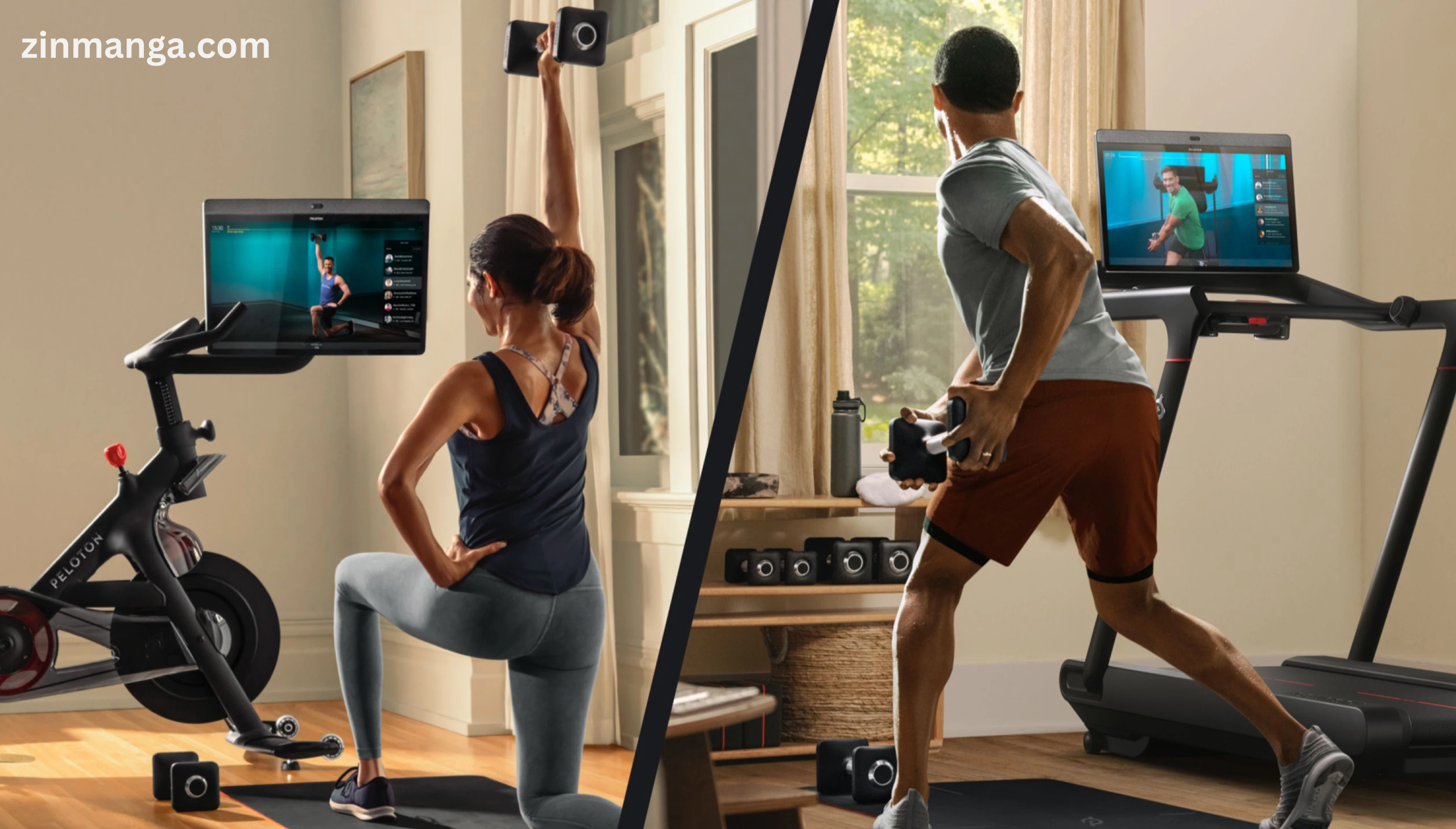
Home fitness continues to evolve as people look for convenient ways to exercise without depending entirely on traditional gyms. Peloton has built its business around connected fitness, combining workout equipment with digital classes, instructors, training programs, and community features.
Changes to Peloton’s membership structure are giving users more options for accessing its workout content. The company’s approach reflects a broader shift in the fitness industry, where consumers increasingly want flexibility in how they exercise and how much they spend.
The Growth of Home Workouts
Home workouts have become an important part of modern fitness routines.
Consumers often choose home exercise because it can eliminate travel time and make it easier to fit workouts around work, family, and other responsibilities. Instead of driving to a gym, users can exercise in their living rooms, bedrooms, garages, or dedicated home fitness spaces.
Connected fitness platforms have expanded this concept by bringing professionally produced classes directly into the home.
Peloton is one of the companies that helped popularize this model. Its platform combines digital content with equipment and instructor-led workouts.
The company now operates in a fitness market that includes traditional gyms, independent fitness apps, YouTube workout channels, wearable fitness platforms, and other connected exercise services.
Membership Options Give Users More Flexibility
Membership structure can play an important role in how consumers choose a fitness service.
Some users may want the complete connected experience that comes with Peloton equipment. Others may already own exercise equipment and simply want access to classes.
A flexible membership model can allow users to select the option that fits their needs.
This is particularly relevant for people who are new to home fitness. Instead of making a major equipment purchase immediately, they may want to try digital classes first.
For existing Peloton customers, different membership options can also provide more ways to use the platform across household devices.
Equipment-Based Workouts Remain Important
Peloton’s connected fitness equipment remains a major part of its identity.
Its bikes and treadmills are designed to work with digital classes, allowing users to follow instructor-led sessions while exercising.
The equipment provides additional information that can make workouts more interactive. Depending on the device and membership, users can monitor performance metrics and follow structured training sessions.
For people who enjoy cycling or running, this integrated experience can make home workouts feel more organized.
However, equipment also represents a larger financial commitment than using a digital fitness application alone.
Digital Classes Expand the Audience
Digital fitness content allows Peloton to reach consumers who may not own its hardware.
Users can access different types of workouts depending on their membership and available devices. This can include strength training, yoga, meditation, mobility sessions, cardio workouts, stretching, and other forms of exercise.
The variety is important because many people do not want to perform the same type of workout every day.
A person might cycle on one day, complete a strength session the next, and choose stretching or yoga afterward.
This variety can help make home exercise more adaptable to different fitness goals and schedules.
Instructor-Led Training Remains a Key Feature
One of Peloton’s most recognizable features is its instructor-led approach.
Instead of simply following a prerecorded exercise demonstration, users can participate in classes led by instructors with different teaching styles.
Some instructors focus heavily on motivation, while others emphasize technique, music, endurance, or structured training.
This variety allows users to find instructors whose approach matches their preferences.
For some members, the relationship with instructors can also create a sense of familiarity that encourages them to return to workouts regularly.
Personalization Is Becoming More Important
Consumers increasingly expect fitness platforms to provide personalized experiences.
A beginner may need lower-intensity workouts and basic instruction, while an experienced athlete may want challenging sessions with specific performance goals.
Digital platforms can support this by allowing users to select workouts based on duration, intensity, discipline, instructor, or other preferences.
Personalization can also help users fit exercise into busy schedules.
Someone with only 20 minutes available can choose a short class, while someone with more time can select a longer workout.
This flexibility is one of the major advantages of digital fitness platforms.
Short Workouts Fit Busy Schedules
Time is one of the biggest barriers to regular exercise.
Many people have jobs, family responsibilities, commuting requirements, and other commitments that make long gym sessions difficult.
Short home workouts can provide an alternative.
A 10-, 20-, or 30-minute session may be easier to fit into a daily routine than a traditional gym visit that includes transportation and preparation time.
Peloton’s digital content includes classes of different lengths, allowing users to select workouts based on their available time.
This does not guarantee that people will exercise consistently, but it can reduce some of the logistical barriers associated with traditional gym memberships.
Home Fitness Can Support Different Goals
People exercise for many different reasons.
Some want to improve cardiovascular fitness. Others are focused on strength, flexibility, mobility, endurance, or general health.
A broad digital fitness library can support several of these goals without requiring users to join multiple specialized gyms or studios.
For example, someone may use cycling workouts for cardio and strength classes for resistance training.
Another user may focus on yoga and mobility sessions.
The ability to switch between disciplines can make a home fitness platform more versatile.
Community Features Add a Social Element
One challenge of exercising at home is the potential lack of social interaction.
Traditional gyms provide an environment where people can see others exercising, attend group classes, and interact with instructors.
Digital fitness platforms attempt to recreate some of this social experience through leaderboards, challenges, milestones, community features, and shared activity.
For some users, these features provide additional motivation.
However, the value of social features depends heavily on individual preferences. Some people enjoy competition and community interaction, while others prefer private workouts.
Subscription Costs Matter to Consumers
Membership prices are an important part of the home fitness decision.
Consumers are increasingly managing multiple digital subscriptions, including streaming services, music platforms, cloud storage, and fitness applications.
Adding another recurring payment can make users more selective.
A fitness membership therefore needs to provide enough value for customers to continue paying for it.
This can be especially important when consumers already have access to free workout content through YouTube or other platforms.
Paid services compete not only on the amount of content available but also on production quality, instructor expertise, personalization, convenience, and the overall user experience.
The Connected Fitness Market Is Competitive
Peloton operates in a competitive market.
Other companies offer connected exercise equipment, fitness applications, wearable devices, and digital training programs.
Traditional gyms have also expanded their digital offerings, allowing members to access workouts outside physical locations.
This competition gives consumers more choices.
A customer deciding between a Peloton membership, a traditional gym, a low-cost fitness application, or free online workouts may consider price, equipment, workout variety, community features, and convenience.
Peloton’s membership changes are therefore part of a wider effort to remain relevant in a crowded fitness market.
Technology Continues to Shape Workouts
Technology is becoming increasingly integrated into exercise.
Smartphones, smartwatches, fitness trackers, connected exercise equipment, and health platforms can collect information about workouts and physical activity.
These technologies can help users monitor progress over time.
Connected equipment can also make workouts more interactive by displaying performance information while a session is taking place.
However, consumers should also consider privacy when using digital fitness platforms. Fitness data can contain sensitive information, making responsible data management important.
The Role of Motivation
One of the biggest challenges of home workouts is maintaining consistency.
Having exercise equipment at home does not automatically guarantee regular use.
Digital fitness platforms attempt to address this issue through scheduled classes, instructor motivation, challenges, progress tracking, and reminders.
The psychological aspect of exercise can be just as important as the equipment itself.
Some users prefer a structured class because it tells them exactly what to do. Others may prefer designing their own routines.
The ability to choose between different workout styles can help accommodate different personalities and fitness habits.
Families Can Share Home Fitness Resources
Home fitness equipment can also serve multiple members of a household.
A single piece of equipment can potentially be used by different people with different fitness goals.
Digital memberships can also provide access to various workout categories, allowing household members to choose classes that fit their individual preferences.
However, households should review the membership terms and available account features before assuming that every membership option provides the same level of multi-user access.
Fitness Trends Are Moving Toward Flexibility
The broader fitness industry is increasingly focused on flexibility.
Consumers want the ability to exercise at home, outdoors, in gyms, while traveling, and in other locations.
Digital memberships can support this flexibility because workouts can often be accessed through portable devices.
This is especially useful for people who travel frequently or have unpredictable schedules.
Instead of depending on a single physical location, users can carry their workout library with them.
What Peloton’s Changes Mean for Home Fitness
Peloton’s membership developments reflect a broader transition in the fitness industry.
The traditional model of paying for access to a physical gym is being supplemented by digital subscriptions, connected equipment, virtual classes, and personalized training.
Consumers can now build fitness routines from multiple services rather than relying on one provider.
For Peloton, this means the membership experience needs to appeal to different types of users.
Some customers may be interested in high-end connected equipment, while others may primarily want digital classes.
Providing different ways to access the platform can potentially make the service relevant to a broader audience.
Choosing the Right Home Workout Approach
The best home fitness setup depends on an individual’s goals, schedule, budget, and available space.
Someone who enjoys cycling may prefer a connected bike. Another person may have no interest in specialized equipment and simply want strength, mobility, or yoga classes.
A user should also consider how often they expect to exercise.
A membership can provide value when it becomes part of a consistent routine. If a person rarely uses the service, the recurring cost may not make sense.
This is why understanding personal habits is important before committing to equipment or subscriptions.
The Future of Digital Fitness
Digital fitness is likely to continue developing as technology becomes more advanced.
Artificial intelligence, personalized training plans, wearable data, interactive classes, and improved connected equipment could make workouts more tailored to individual users.
At the same time, consumers will continue to value convenience and affordability.
The challenge for companies such as Peloton will be delivering enough value to justify recurring membership costs while maintaining a high-quality experience.
The fitness market will likely remain competitive as technology companies, gyms, equipment manufacturers, and independent trainers continue developing new digital products.
Frequently Asked Questions
What are Peloton membership changes designed to provide?
Peloton’s membership developments are intended to provide different ways for consumers to access its fitness content and services, depending on whether they own Peloton equipment or prefer digital workouts.
Can Peloton workouts be used without Peloton equipment?
Peloton offers digital fitness content that can be accessed without owning all of its connected equipment. The exact content and features available depend on the membership type.
What types of workouts are available through Peloton?
Peloton offers various workout categories, including cycling, running, strength training, yoga, stretching, mobility, meditation, and other fitness sessions.
Are home workouts effective?
Home workouts can support fitness goals when they are performed consistently and appropriately for the individual’s abilities and objectives. The effectiveness of a routine depends on factors such as exercise selection, intensity, consistency, and recovery.
Why are digital fitness memberships becoming popular?
Digital memberships provide convenient access to workouts without requiring users to travel to a gym. They can also offer flexible class lengths, different workout categories, and instructor-led training.
Conclusion
Peloton’s membership updates reflect the changing nature of home fitness. Consumers increasingly want flexible ways to exercise, whether they use connected equipment, mobile devices, or other digital platforms.
The availability of different workout formats allows users to choose sessions based on their goals, schedules, and preferences. At the same time, subscription costs, equipment prices, and competition from other fitness services remain important considerations.
