
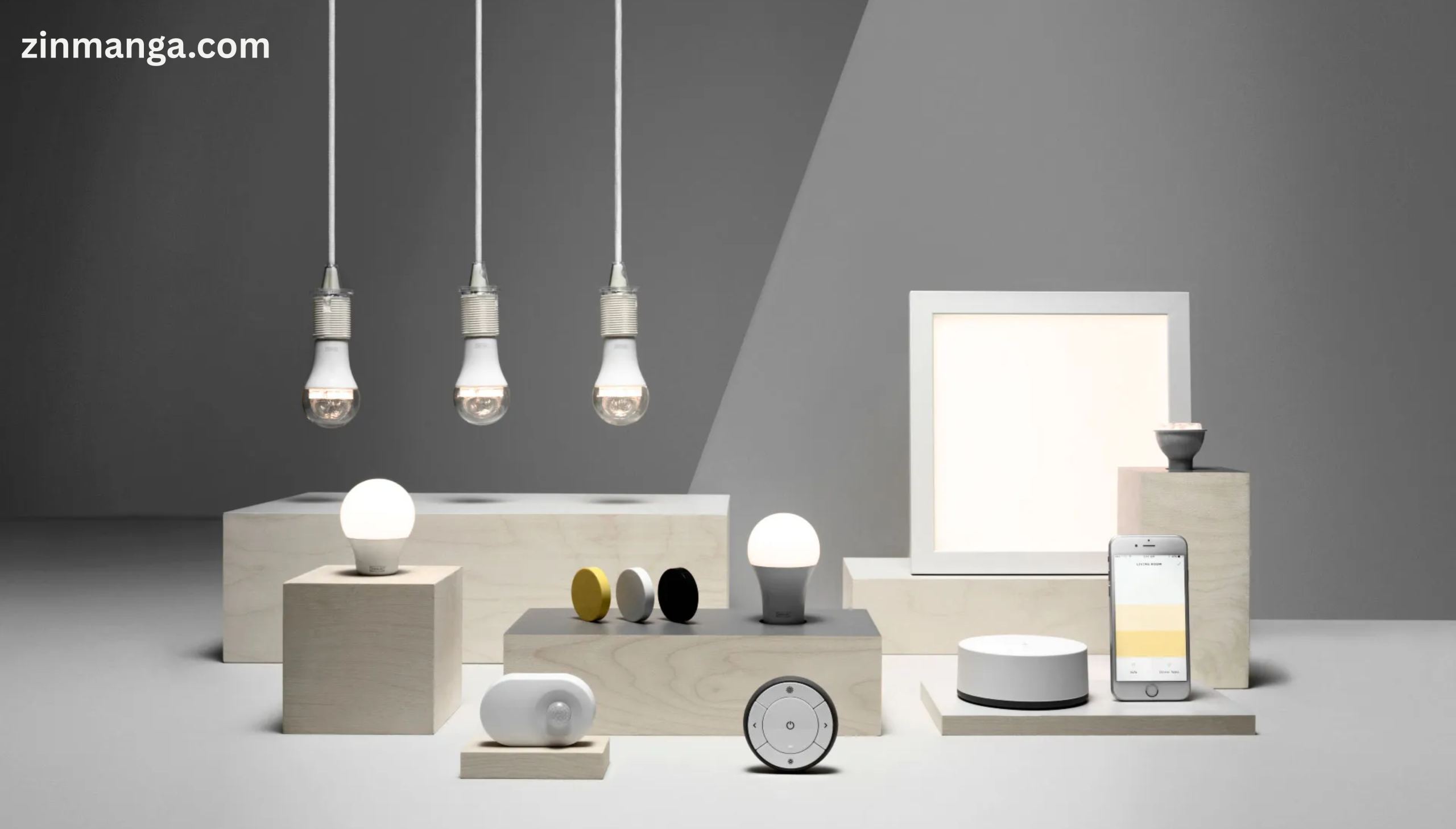
Smart home technology is becoming increasingly common as homeowners look for easier ways to manage lighting, comfort, entertainment, and everyday household tasks. IKEA has expanded its smart home range with products designed to bring connected features into homes without requiring highly complex systems.
The company is known for furniture and home accessories, but its technology products have become another part of its broader home offering. IKEA’s smart home products can include connected lighting, sensors, smart controls, speakers, and other devices designed to work together.
Smart Technology Becomes More Accessible
Smart home technology was once associated with expensive systems that required professional installation. The market has changed considerably, with more affordable devices becoming available for everyday consumers.
IKEA’s approach focuses on combining technology with familiar household products. Smart lighting, for example, can provide connected control while still functioning as part of a traditional home lighting setup.
This approach can make smart technology less intimidating for people who are interested in connected devices but do not want to build a complicated home automation system.
Smart Lighting Remains Popular
Lighting is one of the most common starting points for a smart home. Connected bulbs and lamps can allow users to control brightness, colors, schedules, and other settings through compatible controls or applications.
IKEA offers smart lighting products that can be used in different rooms and home environments. Users can create lighting setups based on their preferences, whether they want brighter lighting for work or softer illumination during the evening.
Smart lighting can also provide convenience by allowing users to control multiple lights without manually operating every switch.
Homeowners Look for Simple Controls
One reason smart home products appeal to consumers is the ability to control devices more conveniently. Instead of relying entirely on traditional switches, users can operate compatible devices through remote controls, applications, sensors, or other connected systems.
For homeowners, the usefulness of these features often depends on how easy the system is to set up and use.
A smart home system that requires extensive technical knowledge can become frustrating for everyday users. Products designed around simple controls may therefore have broader appeal.
Sensors Can Automate Everyday Tasks
Smart sensors can help automate certain household activities. Depending on the device, sensors may detect movement, changes in light, or other conditions.
For example, motion detection can be used to trigger lighting in certain areas of a home. This can be useful in hallways, bedrooms, storage spaces, or other areas where people may not want to manually switch lights on and off.
Automation can also reduce the number of routine actions homeowners need to perform throughout the day.
Smart Speakers Add Entertainment Features
Connected speakers can provide another entry point into smart home technology. Smart speakers can be used for music, podcasts, radio, and other audio content.
When integrated with compatible smart home products, speakers and other connected devices can become part of a broader home setup.
IKEA has also developed products that combine furniture and technology, reflecting a growing trend toward integrating electronics into home environments rather than treating them as separate devices.
Design Remains Important
IKEA’s traditional strength is home design, and this influences how the company approaches connected products. Many homeowners want technology that fits naturally into their living spaces.
Large or visually distracting devices may not appeal to consumers who prefer minimalist interiors. Products that combine useful technology with familiar furniture and home accessories can offer an alternative.
The design of a smart home product can therefore be almost as important as its technical features for some buyers.
Affordability Can Influence Adoption
Price is another important consideration when consumers build smart homes. Purchasing multiple connected devices can become expensive when every product comes from a premium technology brand.
IKEA’s broader focus on affordable home products can make its smart devices appealing to customers who want to add connected features gradually.
Instead of installing an entire smart home system at once, homeowners can start with one or two products and expand their setup over time.
Smart Homes Can Grow Gradually
A smart home does not have to be completed in a single purchase. Many consumers begin with a specific need, such as better lighting, and add more devices later.
This gradual approach can make the technology easier to understand and allow homeowners to determine which features are actually useful.
IKEA’s range of connected products can support this approach by giving consumers different ways to introduce smart technology into their homes.
Compatibility Is an Important Consideration
Smart home products need to communicate with other devices for many advanced features to work properly. Compatibility can therefore be an important factor when selecting connected products.
Consumers may want to know which platforms, applications, hubs, wireless standards, and other devices are supported before purchasing.
A product that works well on its own may provide additional value when it can connect smoothly with other parts of a household’s smart home system.
Smart Home Hubs Help Connect Devices
Some smart home ecosystems use a central hub or gateway to connect multiple devices. A hub can help manage communication between compatible lights, sensors, controls, and other products.
For users with several connected devices, a centralized system can make management easier.
However, the need for additional hardware can also increase the overall cost and complexity of a smart home setup. Consumers therefore need to understand what is required before expanding their systems.
Energy Management Gets More Attention
Smart home technology can also play a role in energy management. Connected lighting and automated controls can make it easier to turn devices off when they are not needed.
Sensors and scheduling features may reduce unnecessary lighting in certain situations. However, actual energy savings depend on how products are used and how much energy the connected devices consume.
Smart technology should therefore be viewed as one possible part of a broader approach to managing household energy use.
Convenience Is a Major Benefit
For many homeowners, convenience is the main reason to consider smart home products. Being able to control multiple devices from a central application or use automation can simplify everyday routines.
A homeowner might create scheduled lighting, automate certain devices, or control equipment without walking from room to room.
These small improvements may not completely transform a home, but they can make specific daily tasks easier.
Privacy and Security Remain Important
Connected devices also introduce questions about privacy and security. Smart home products may communicate through wireless networks and, depending on their features, may connect to online services.
Homeowners should understand how their devices are connected and keep applications, routers, and device software updated.
Strong passwords and secure home networks can also reduce the risk of unauthorized access. Consumers should review the privacy and security information provided by manufacturers before connecting new devices.
Smart Home Technology Is Becoming More Integrated
The smart home market is moving toward greater integration between devices. Consumers increasingly expect lighting, entertainment, sensors, appliances, and other technology to work together.
This can make the overall experience more convenient, but it also makes compatibility more important.
Companies that can offer simple products while maintaining broad compatibility may have opportunities to attract consumers who want connected features without dealing with complicated systems.
IKEA’s Role in the Smart Home Market
IKEA’s presence in the smart home market reflects the growing connection between home furnishings and technology. The company can introduce connected features through products that are already familiar to its customers.
This positioning gives IKEA a different approach from companies focused primarily on technology hardware. Instead of selling smart devices as standalone electronics, the company can integrate them into the wider home environment.
The result is a smart home approach that places emphasis on everyday use, design, and accessibility.
Consumers Continue to Explore Connected Homes
As smart technology becomes more familiar, homeowners are likely to continue experimenting with connected products. Some will build comprehensive systems, while others will use only a few smart devices for specific purposes.
The most useful products will depend on individual needs. A homeowner interested in lighting may have different priorities from someone focused on security, entertainment, energy management, or automation.
This flexibility allows smart home technology to serve different types of households.
Frequently Asked Questions
What are IKEA smart home products?
IKEA smart home products are connected devices designed for household use, including smart lighting, sensors, controls, speakers, and related products.
Why are IKEA smart home products attracting attention?
Their combination of home-focused design, connected features, and relatively accessible pricing can appeal to homeowners who want to introduce smart technology gradually.
Can IKEA smart products work together?
Compatible IKEA smart products can work together through supported systems and controls. Compatibility depends on the specific products and technologies involved.
Can smart lighting help save energy?
Smart lighting can make it easier to schedule or turn off lights and may help reduce unnecessary use. Actual savings depend on how the system is used.
Are smart home devices secure?
Smart home security depends on the device, software, network, and user practices. Keeping devices updated, using strong passwords, and securing the home network can help reduce security risks.
Conclusion
IKEA smart home products are attracting attention as homeowners look for affordable and practical ways to introduce connected technology into their living spaces. Smart lighting, sensors, speakers, controls, and other devices can provide convenience while fitting into traditional home environments.
Affordability, design, ease of use, and compatibility are important factors for consumers considering a smart home setup. Rather than adopting a complicated system all at once, homeowners can gradually add connected products based on their needs.
